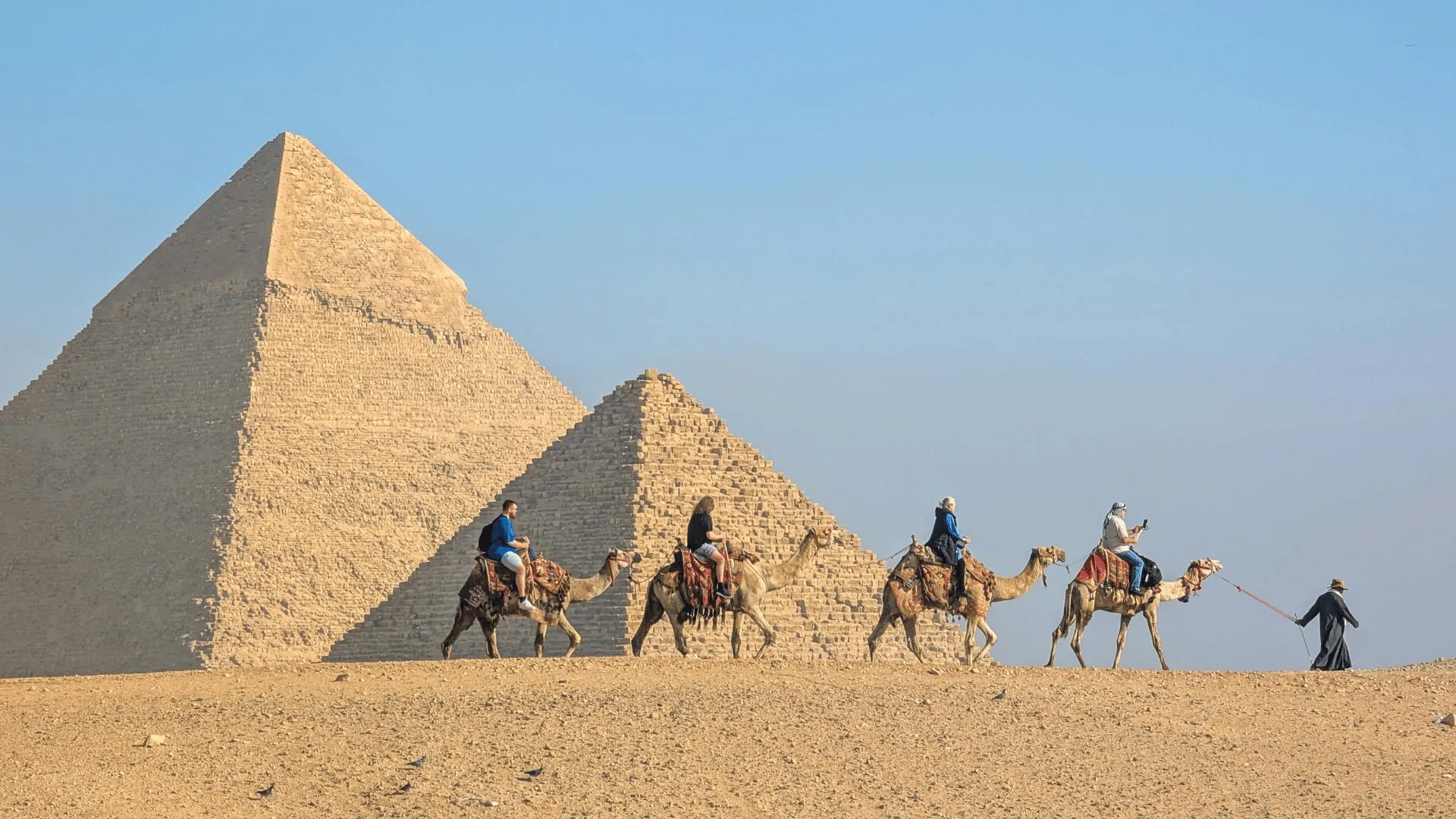
Tourism & travel websites
Sell the trip before they pack.
Tourism website design that sells the trip before they pack: itineraries, dates and a booking flow that works while you sleep.
On this page
01Travellers book what they can picture02Everything an operator needs03What should a tourism website include?04Booking & inquiry systems that work while you…05Itinerary pages that sell the journey06Built to inspire, built to be found07Maps, locations & practical details08Questions from tour operators
Why it matters
Travellers book what they can picture.
Clear itineraries, real photos, dates and prices upfront. A booking flow that works on a phone, in the traveller's language, without a phone call.
Fixed pricing
You own your website
1 year of support

Tour operator · itinerary and booking flow
Booking & inquiry systems that work while you sleep
Travelers plan in the evening, on weekends, across time zones. If your website can't capture that interest instantly, a competitor's will.
- Direct booking with availability and instant confirmation for bookable tours
- Smart inquiry forms for custom trips. Capturing dates, group size, budget, and interests so you reply with a quote, not a questionnaire
- Payments online. Deposits or full payment through trusted gateways
- WhatsApp integration. Many travelers prefer to chat before they commit; meet them there
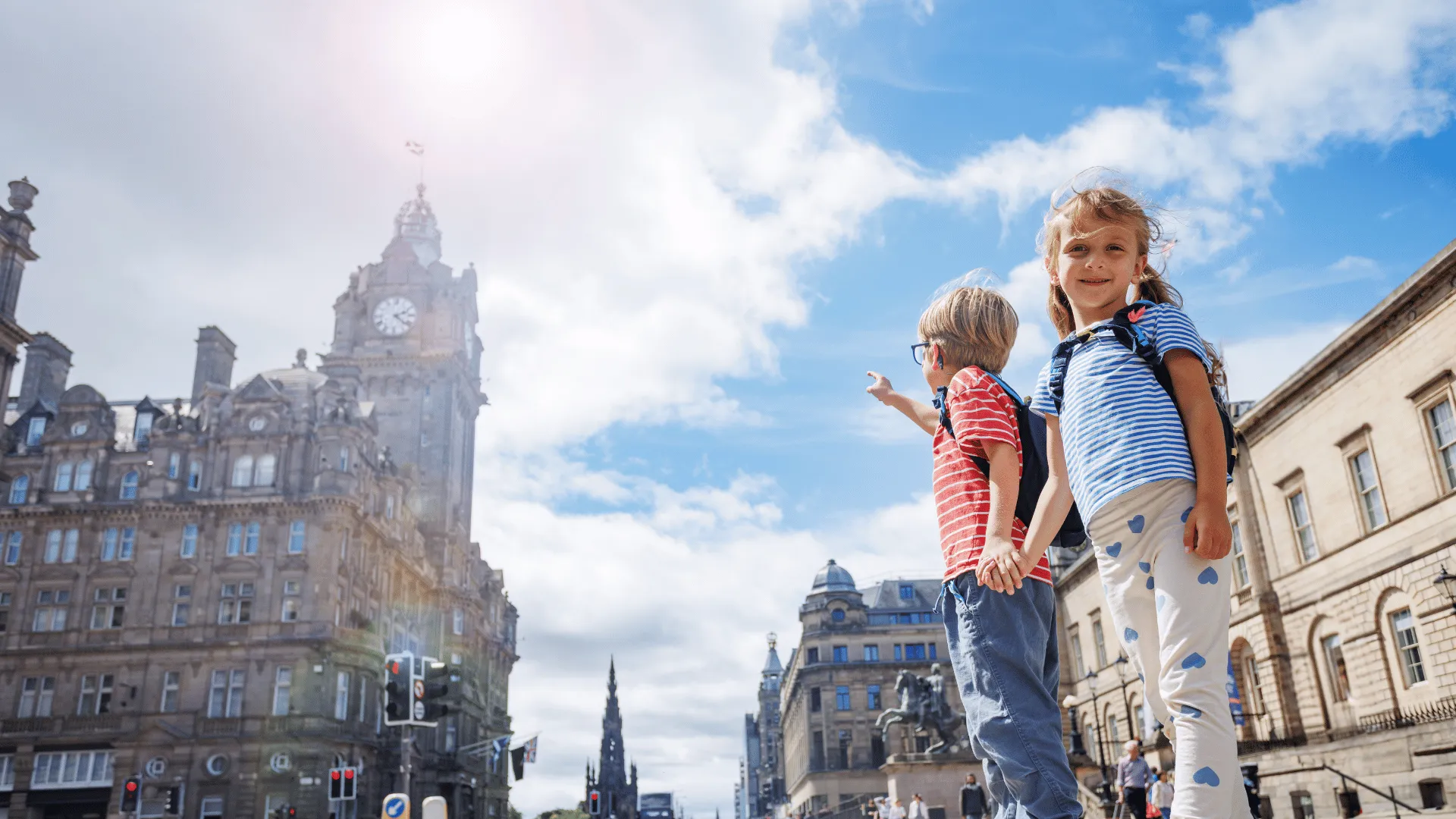
Itinerary pages that sell the journey
Each tour deserves its own page, and that page should read like the trip feels. We structure itinerary pages for both travelers and search engines.
A well-built itinerary page ranks for the tour's name and destination searches, and converts the visitors it earns.
- Day-by-day breakdown with highlights, timings, and inclusions
- Clear pricing, availability, and what's included vs. what's not
- Photo and video woven through the itinerary, not dumped at the bottom
- A booking or inquiry call-to-action at every natural decision point

Maps, locations & practical details
Travelers book with confidence when logistics are clear.
- Embedded maps for meeting points, routes, and destinations
- Practical details on every tour: duration, difficulty, pickup options, what to bring
- Clear contact options for last-minute questions. Phone, WhatsApp, and form
FAQ
Questions from tour operators.
Honest answers for owners who want to know what they are buying.
Can travellers book and pay online?
Yes. Deposits or full payments, with confirmations and a calendar your team manages.
Can I update dates and prices myself?
Yes. Itineraries, dates and prices are editable without a developer.
Will my tours show up on Google?
We build destination and experience pages with the structure search engines expect.
How long does it take?
Most tourism websites launch in 2–3 weeks, depending on the number of itineraries.
What should a tourism website include?
A converting tourism website includes a booking and inquiry system, a dedicated page for every tour with day-by-day itineraries and clear pricing, fast-loading galleries of real trip photos, integrated reviews from trusted platforms, multilingual content (Arabic and English with proper RTL design), maps and practical details, and a mobile-first experience — since most travel research happens on phones.
How can a tour company take bookings and payments online?
Through a booking system built into your website: bookable tours get availability and instant confirmation, custom trips get smart inquiry forms that capture dates, group size, and budget, and payments are handled through trusted online gateways for deposits or full amounts. Floux builds these systems on WooCommerce — a platform you own, not rent.
Do tourism websites need multiple languages?
Yes — tourism is inherently multilingual. International guests often book in English while regional travelers search in Arabic. A proper multilingual website means professionally written content in each language, correct right-to-left design for Arabic, and a technical structure search engines understand — not a machine-translation layer on top of one language.
What is seasonal SEO for travel websites?
Tourism demand peaks around seasons, holidays, and events — and search engines need time to rank new content. Seasonal SEO means publishing destination guides and seasonal pages ahead of peak demand, so they're visible when travelers start planning. Combined with well-structured tour pages, it builds visibility that compounds season after season.
How do travel agencies get more bookings from their website?
Bookings grow when three things work together: visibility (tour and destination pages that rank for planning searches), desire (itinerary pages and galleries that make travelers feel the trip), and friction-free action (instant booking or a fast inquiry form, plus WhatsApp for chat-first travelers). A website built around the traveler journey converts more of the visitors it already gets.
How much does a tourism website cost?
Floux works with fixed-price packages — no hidden fees — and typical delivery as fast as 7–14 days. The exact price depends on your number of tours, languages, and booking requirements. Every website includes 1 year of post-launch support. Contact us with your tour list for a precise quote.
What makes tourism website design different from a normal business site?
Travellers compare several operators before they book, often on a phone. Tourism website design has to show the trip clearly (itinerary, dates, price, what is included) and make enquiring or booking effortless. We also plan for multiple languages and currencies, because good tourism website design sells to visitors from Europe and the Gulf as well as local customers.
What does Floux tourism website design include?
Tourism website design at Floux includes itinerary pages, booking or inquiry systems, maps and practical details, visual storytelling, SEO structure for destination searches and one year of support.
Do you offer tourism website design in Egypt, the Gulf and Europe?
Yes. Most of our clients are in Egypt, the UAE and Saudi Arabia, and we work remotely with businesses across Europe and Canada. Tourism website design in Egypt and tourism website design in Europe follow the same process, the same quality bar and the same fixed price; only the time zone of our calls changes. Every project is planned in Arabic and English, and you follow progress on a live staging link.
How does a tourism website design project with Floux start?
Tell us what you want to achieve and share any examples you like. We reply within one business day with questions, a recommended scope for your tourism website design and a fixed quote. You approve each stage before we move on. If you have a Google Business Profile, share the link so we can include it in the plan.
Case studies
See it in real projects.
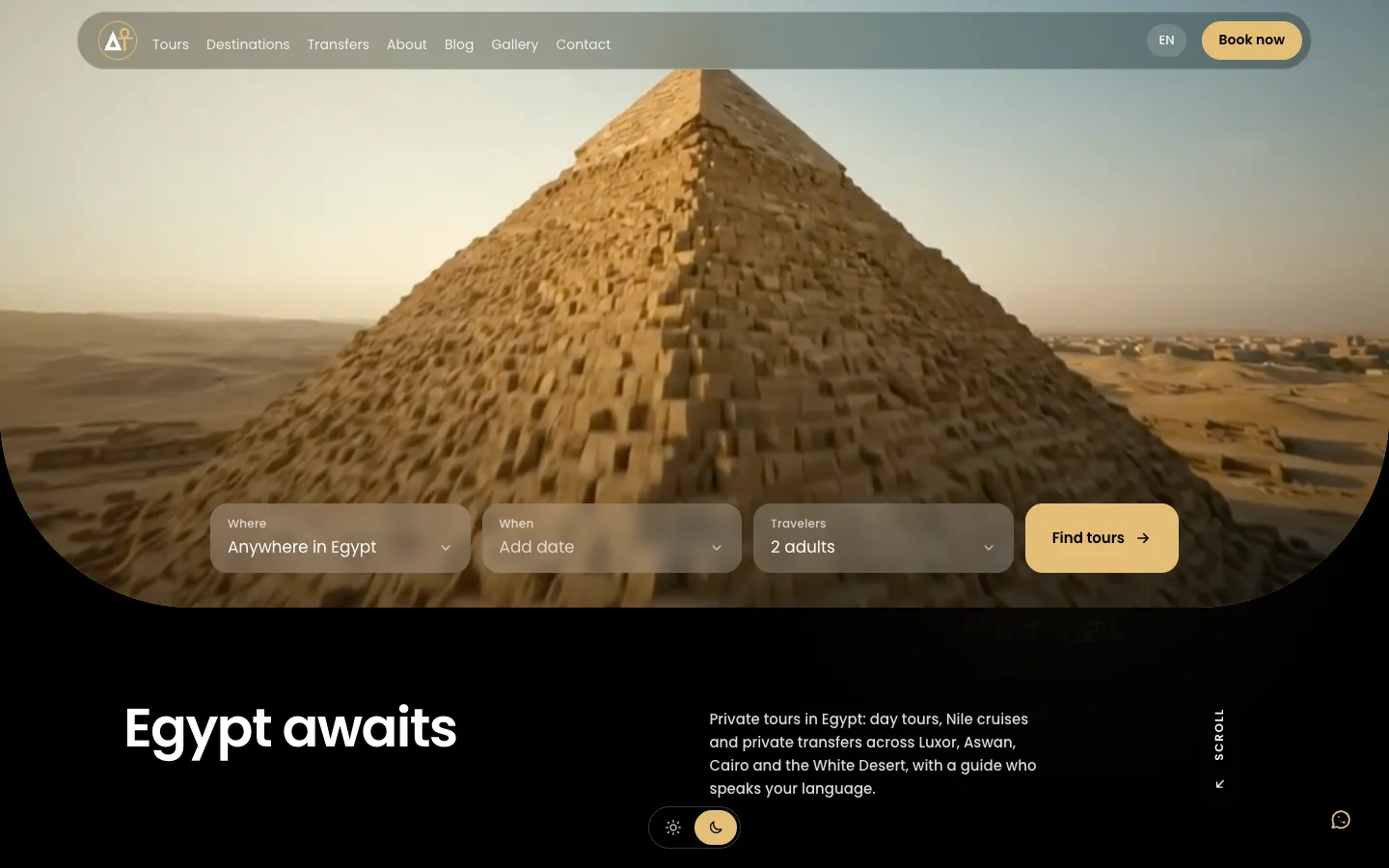
Hacked site rebuilt in 60 days: 6 languages, tour search, filters, route maps and full SEO.
Websites that flow. Designed in Arabic and English, built on WordPress and WooCommerce, owned by you.